Swiss Schooling Culture: An Expat Guide
By FIND MY SWISS SCHOOL / Pascale Baumgartner & Sandra Hueskes
Switzerland offers an excellent quality of life, access to beautiful landscapes and lots of cheese and chocolate. But if you have kids in the Swiss public school system, you will soon realize that aside from the obvious differences in school pathways, when it comes to school culture, many expat families experience a bit of… well… culture shock.
Swiss public schools offer an excellent education, but in general the experience is often more hands-off, independent, and local than many are used to—especially those coming from the United States, United Kingdom, or other highly communicative school systems. That is why this article was written by education consultants to give you an honest, helpful overview of what to expect—and how to set your family up for success in the Swiss public school system.
Don’t Expect Daily Updates — And That’s Okay
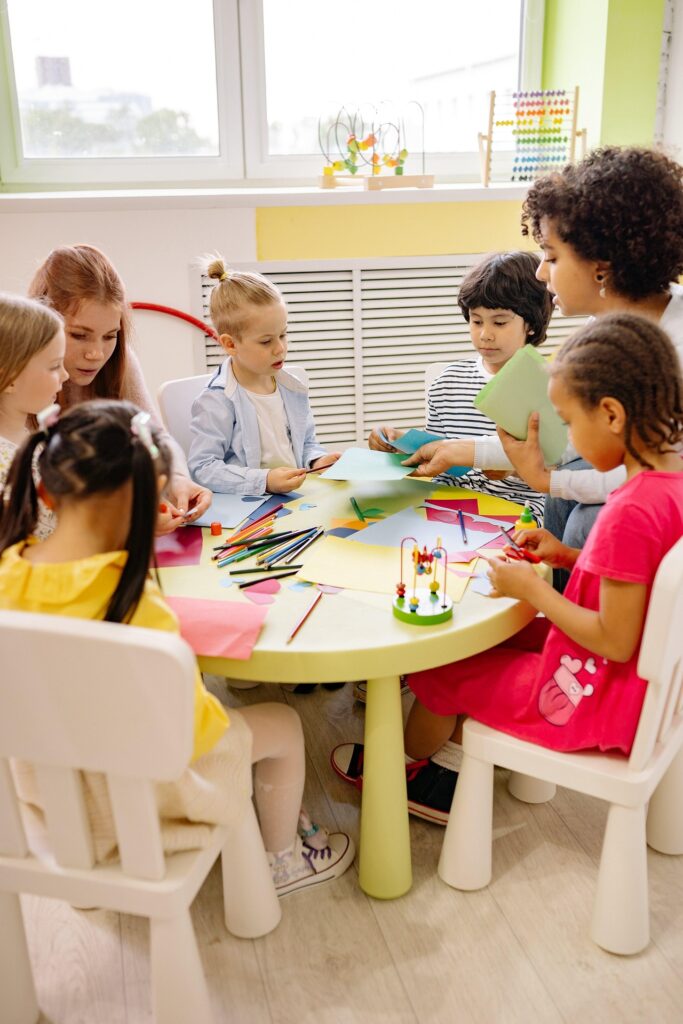
If you’re coming from a system where you receive daily reports about what your child ate, played with, or how many times they used the toilet, prepare for a shift. In Swiss public schools, communication is minimal. You’ll typically receive two class meetings per year, plus two parent/teacher meetings that will include your child (after all, they have to do the work). As for weekly updates or homework summaries? It doesn’t happen.
That doesn’t mean teachers don’t care. In fact, they value your child’s development deeply. But Swiss schooling culture emphasizes trust and independence—for both the child and the parent. Please do not expect a teacher to respond to your messages on the evening or the weekend. Missing the homework? Reach out to another parent instead.
You’ll still be invited to the occasional school event, performance, or social gathering (Apéro), and these are usually beautiful and well-prepared. A little insider tip: Swiss parents often bring homemade treats. Having showed up with baked spring rolls from a package, the lesson was quickly learned that in Switzerland, homemade means… actually homemade.
Independence Starts Young — Really Young
From kindergarten on up, children are expected to manage their things, pack their own bags, and walk to school—yes, alone, and it is deeply rooted in a cultural belief in raising capable, self-reliant kids.
Don’t panic… the kids are taught road safety by the police and ease into this when they are ready. It may feel unfamiliar at first, but it’s one of the things many expat families grow to admire most about the Swiss approach. You will see your child swell with pride when they first walk alone with their friends. This first step is a wonderful way to build confidence and resilience at an early age.
You can learn more at schulweg.ch—a fantastic resource that helps parents understand how this supports independence, road safety, and resilience.
Language & Communication—What If I Don’t Speak German?
If your child speaks little or no German, the school system does offer an excellent program (Deutsch als Zweitsprache) to help your child integrate as fast as possible. It is an excellent offer and the teaching team will decide how best to support each student.
Many Swiss teachers speak English among other languages and they’re used to working with international families. But making even a small effort to use German is always appreciated. If you’re concerned about understanding everything, especially during parent-teacher meetings, you can request a free interpreter through your school.
And one final note about languages in Swiss public school: in the Basel area, students start French in Grade 3 and English in Grade 5. So multilingualism is another cornerstone of the Swiss school system.
Homework: Independent by Design
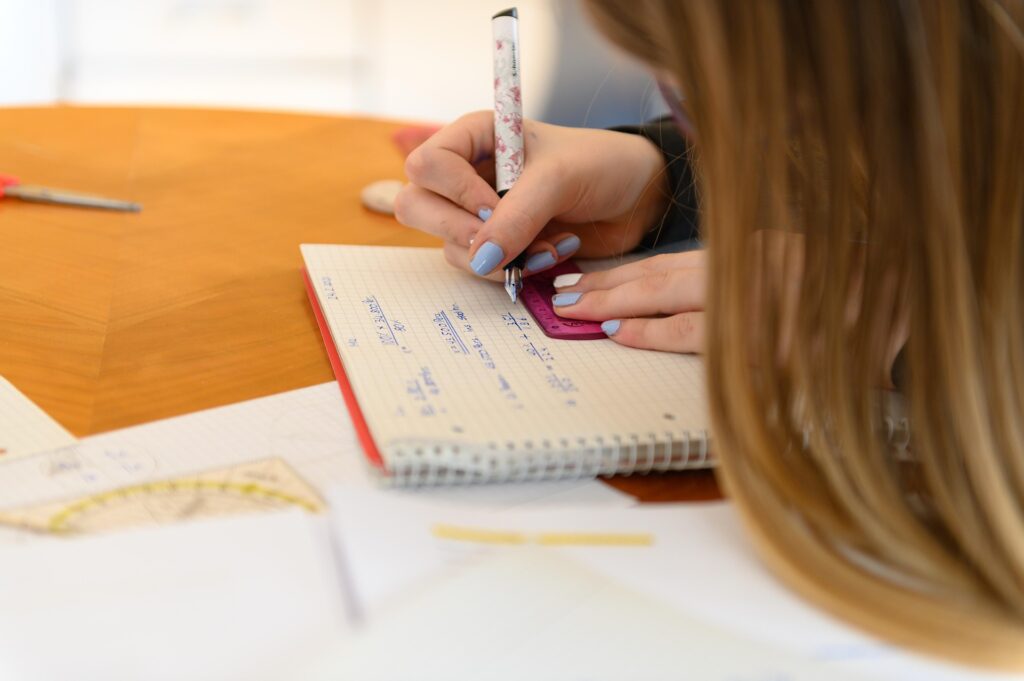
In Swiss public schools, homework is designed to “belong to the child.” Teachers expect students to complete assignments on their own—without heavy parental involvement. This helps educators see where a student may need more support, and it’s one of the ways the system fosters independence early on.
If an assignment is missed, your child may lose points or get a note—but teachers won’t usually follow up unless it becomes a recurring issue. In that case, they’ll contact you to discuss next steps.
Worried about how to support your child without doing the homework for them?
- Use translation tools like DeepL to help decode instructions.
- For structured support aligned with the Swiss curriculum, an online tool such as EVULPO may be helpful. It covers subjects from Grade 3 on up, tailored by canton.
- Visit your local bookstore and browse school textbooks. It’s a surprisingly useful way to understand what your child is learning—and it’s a very Swiss thing to do.
Bullying: Zero Tolerance, But Not Zero Incidents
There are many online forums about bullying in Swiss school, and while all Swiss public schools have a zero-tolerance policy, that of course doesn’t mean it never happens. Teachers may not always see it—children tend to act differently around adults—and your voice as a parent is important. So speak up! Schools take reports very seriously.
Some schools have adopted a Finnish-style anti-bullying approach, where trained specialists and even police psychologists come into classrooms to work with students on building a respectful, inclusive culture. It’s impactful, and more widespread than you might think. This method is very effective, and you can find more information on it in this article from SwissInfo.
Grading & Feedback: Trust the Process
Formal grading begins in primary school, usually from Grade 2 onward. While grades are recorded, you won’t get ongoing weekly feedback or progress emails. Instead, teachers share highlights and concerns during the two annual parent evenings. Students are also encouraged to self-assess as part of owning their own academic process.
If there’s something urgent, the teacher will reach out—but otherwise, trust that “no news is good news” is a cultural norm. Swiss schools trust children to grow into accountability without constant oversight, and they expect parents to do the same. If you have questions of course you can reach out and set a meeting. The teachers are always there to help—just during work hours.
School Hours & Extracurriculars: A Bit Different!
School days in Switzerland are often shorter, especially for younger children. Expect five days a week of school in the morning, with afternoons very gradually added. By Grade 6 (age 12), students have three afternoons of schools a week.
This can be a logistical challenge for working parents (more on that shortly), but it also allows space for extracurricular activities, which are usually organized outside of the school itself. Music lessons, sports, and creative classes are offered through local clubs and community centers (called “Vereine”), not by the school directly. That’s another cultural difference worth noting… the advantage of this is that your kids develop the muscle of becoming self-directed learners by persuing and developing their own interests and hobbies.
And one special quirk to the Swiss school schedule: Wednesday afternoons are free, with no school at all in many cantons. This has been in place since the 1970’s when school used to also take place on Saturday mornings.
Tagesstruktur & Afterschool Care: Support Around the School Day
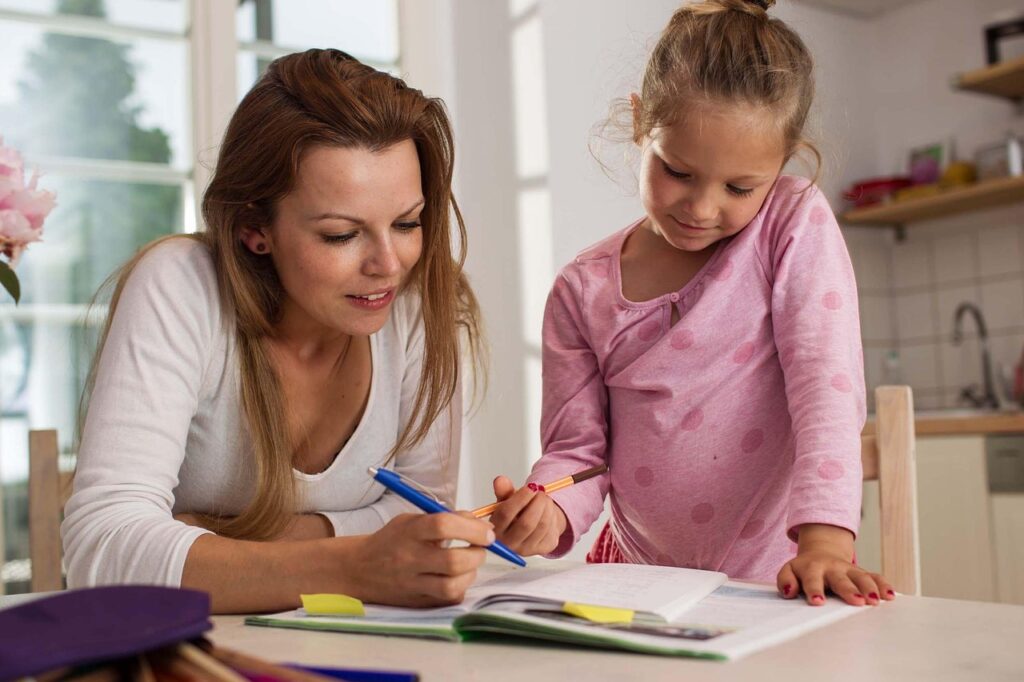
Speaking of logistical challenges, in the Basel area, “Tagesstruktur” (day structure) programs offer lunch and care outside of school hours. (PHEW!) These offer a pedagogical approach and include supervised lunch, homework help, and free play in the afternoons. This is a much bigger topic to go into here, but the key takeaways are:
- “Tagesstruktur” is optional, and spots may be limited.
- Early registration is important and this must be applied for seperately.
- It’s a great solution for working parents or families who want additional structure and social time after class.
- You pay for the modules that you use.
- Fees are income-based and, in most cases, subsidized by the municipality.
- Pro Tip: it is a great way for your child to make friends, learn German, and meet other kids from the area.
Outdoor Activities & Trips: Nature as a Classroom
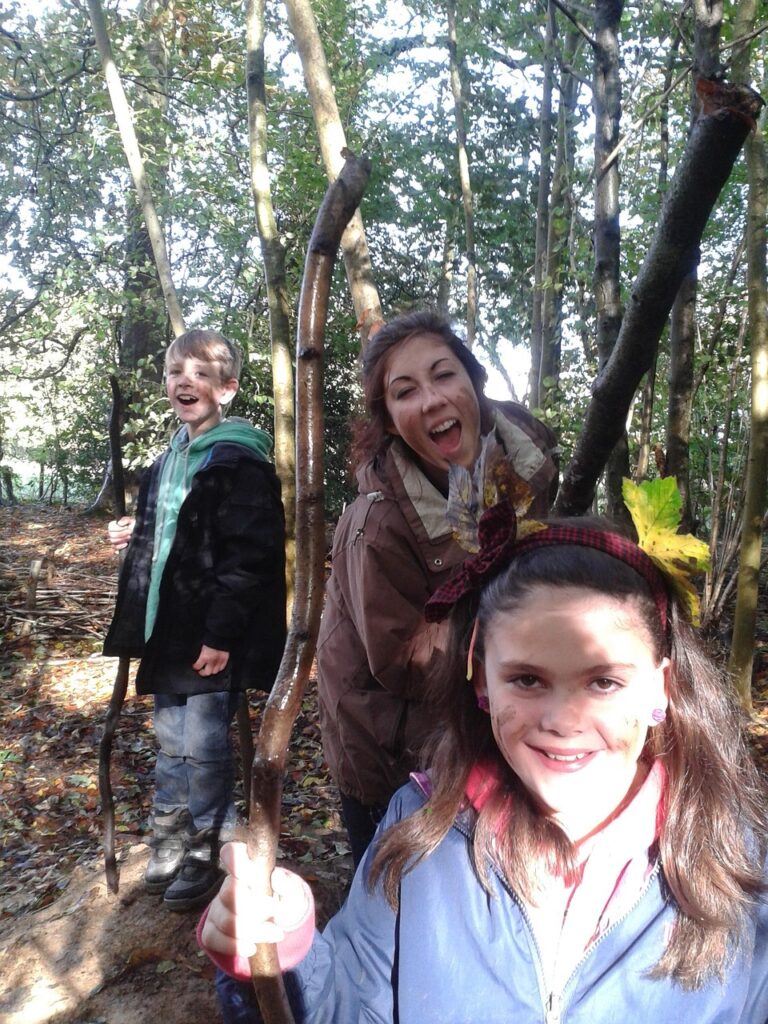
Outdoor education is a cornerstone of the Swiss school experience. From forest mornings in kindergarten (yes, even in winter!) to regular hikes and local excursions, students spend a lot of time outside. Bad weather isn’t the problem, only bad clothing!
As they get older, kids may go on school trips, including overnight camps. One beloved tradition is ski camp, often beginning in upper primary or lower secondary. It’s a full week away in the Alps, combining sport, independence, and social bonding—an unforgettable milestone for many.
Cultural Values: Welcome to Switzerland
Swiss schools quietly reinforce the cultural values of punctuality, responsibility, and humility. Children are expected to arrive on time (early is better!), keep track of their things, and complete tasks without fanfare. Bragging or boasting isn’t part of the Swiss style.
It’s often said the Swiss mentality “sees the glass half empty”—not because people are negative, but because they always see what could be improved. That mindset is reflected in how feedback is given and in the high standards students are held to, especially as they move up the Swiss school system. For example, in grading, 1 is the lowest and 6 is the highest. The idea is that a 6 should be next to impossible to earn because in reality no one can be perfect.
Academics Are Not Just About Grades
Swiss public schools offer strong academics, and the Swiss school system is internationally well recognized (2022 PISA rankings here). But it is important to note that the school system is designed to support a range of talents and trajectories—not just university-bound students.
It is important to understand that in Switzerland academic achievement isn’t everything. Even thought the system is known for its “no dead-end” approach—meaning there are always ways to re-enter education, change paths, or train up—not all students go to university, and that’s not a failure.
Students who don’t go to Gymnasium (the university-prep track) often enter the world-class apprenticeship system, where they can combine vocational training with further education. In fact, some of the most respected professionals in Switzerland—engineers, bankers, IT specialists—started out this way. You can read a great article from Forbes to help you understand why this is often refered to as “the Gold Standard”.
There’s growing awareness, even globally, that practical skills and real-world experience matter as much as academic credentials. And the Swiss model is ahead of the curve in making that a reality.
As a final thought, Swiss public schools are nurturing, community-oriented, and academically strong—but they ask your child (and you!) to grow in new ways. Embrace the independence, lean into the local culture, and when in doubt—bring homemade treats.
About the Authors
FIND MY SWISS SCHOOL is one of Switzerland’s leading education consultancies working with corporate and private families. They simplify the journey to finding the right school in Switzerland, be it public, private, international, or boarding school. They provide expertise on different curricula, as well as support with educational transitions and problem-solving, offering personalized school consultations; support with enrollment, expectations, paperwork, and integration; guidance on language learning, special needs, and differences between cantons; and information through workshops, events, and podcasts. Pascale Baumgartner is Swiss with a background as a tax and estate planning lawyer. She served for years on the boards of different schools and organizations. She co-founded FIND MY SWISS SCHOOL because she believes deeply in supporting children to fulfill their potential. Sandra Hueskes moved to Basel with her Swiss husband in 2019 from a high-level career in NYC. With two boys in Swiss school, she co-founded FIND MY SWISS SCHOOL to offer the support she wished she had.
ShareAdvertisement